Consistency Creates
Lasting Habits
Consistency is the bedrock of animal psychology. When pets experience the same commands, rewards, and routines every day, they stop guessing and start learning. This clarity removes environmental stress, allowing their natural intelligence to shine.
By maintaining a strict adherence to your training "vocabulary" and schedule, you are building a language of trust. If a pet knows exactly what a "Sit" command results in every single time, they are 80% more likely to perform that action even in high-distraction environments.
Actionable Guide
Mealtime Automation
Reward "Sit" consistently before every meal to turn a conscious command into an automatic biological response.
Biological Scheduling
Keep outdoor breaks on a strict chronological schedule. This builds perfect house habits by aligning with their internal clock.
Vocabulary Purity
Use singular commands like "Stay." Avoid synonyms like "wait" or "hold" which create linguistic "noise" and slow down learning.

Step 01

Commands &
Steady Tones
Pets are masters of tone and body language. Effective communication is less about the word itself and more about the energy and stability behind it. Simple, one-word instructions delivered in a calm, firm tone are 5x more effective than long sentences.
Shouting or using an aggressive tone often triggers a "flight or fight" response, which shuts down the learning center of the brain. To teach effectively, you must remain the calmest presence in the room, providing a steady anchor for your pet to follow.
The "Come" Command
"Saying 'COME' in a firm, inviting voice is significantly more effective than shouting or using frustrated tones."
Command Selection
"Stick to 'SIT'—do not alternate between 'sit down', 'take a seat', or 'rest' during the initial 4 weeks of training."
Building Behavior Through
Positive Reinforcement
Positive reinforcement is the most effective way to communicate with your pet. By focusing on rewards rather than discipline, you create an environment where your pet is eager to learn and feels safe to fail.
The core of this method is timing. By providing a reward (treats, praise, or play) within seconds of a desired action, pets develop a "behavioral bridge"—associating the action directly with a positive outcome. Over time, the reward can be phased out as the behavior becomes a natural habit.
Unlike punishment-based training, which can lead to anxiety and suppressed behaviors, reinforcement builds confidence. A confident pet is more likely to engage with new commands and bond deeply with their owner.
Actionable Examples
Immediate Food Rewards
Giving a high-value treat immediately after your dog sits on command reinforces the muscle memory of the action.
Verbal Affirmation
High-pitched, enthusiastic praise when your pet uses the designated bathroom area creates a clear "Correct" signal.
Functional Playtime
For toy-motivated pets, a quick game of tug or fetch after an "Option Stay" makes obedience feel like a game.

"Focusing on what your pet does right is the fastest way to stop them from doing what is wrong."
Routine, Gentle Correction
& Patience
Sustainable behavior isn't built overnight. It is the result of a balanced daily routine that combines clear boundaries with the patience to let your pet learn at their own pace.
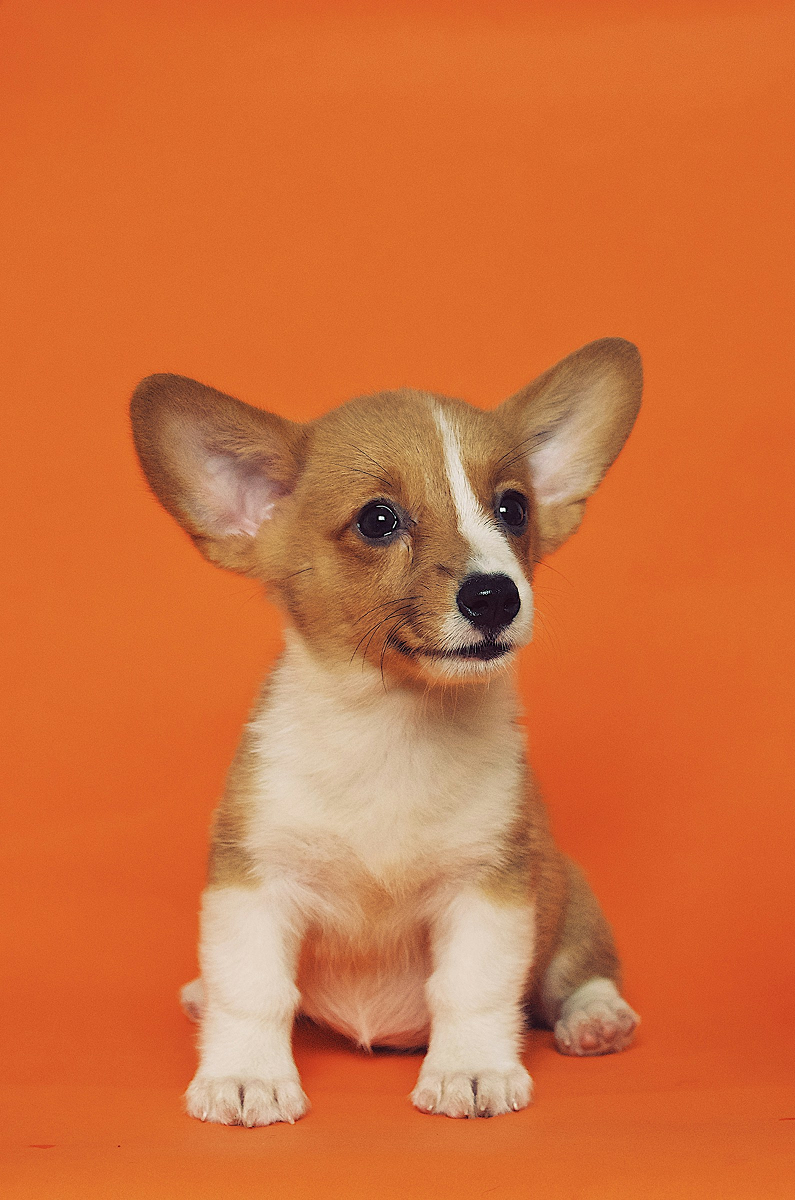
Core Philosophy
A balanced pet is a happy pet. Routine provides security, correction provides direction, and patience provides the bond.
Effective training requires a stable environment. When a pet knows exactly when they will eat, walk, and sleep, their stress levels drop, making them more receptive to training sessions. Short, frequent sessions (5-10 minutes) are significantly more effective than long, infrequent ones.
Gentle correction is not about fear; it's about redirection. If a pet displays an unwanted behavior, such as chewing furniture, a firm but calm "No" followed by offering an appropriate chew toy teaches them the boundaries of your home without damaging the trust you've built.
Consistency in Routine
Taking your pet out at the same time daily helps them develop proper house habits and internal biological clocks.
The Power of Redirection
Redirect unwanted chewing or jumping by calmly introducing a toy or a "Sit" command to change the pet's focus.
Progressive Patience
Understand that learning isn't linear. Some days will be better than others; stay the course and celebrate the small wins.